


Always Tired? Heavy Periods, Iron and When to Get Checked
If your periods are heavy and you feel worn out most of the time, the two may be connected. Here is how, what to look out for, and how to get it checked.
Tiredness is one of the most normalised feelings there is. Busy job, busy house, bad sleep, dark evenings. It is easy to file it under "just life" and carry on.
But if your periods are heavy and you are tired most of the time, there is a specific and very treatable link worth knowing about. Heavy bleeding month after month can gradually run down your iron, and low iron makes you tired in a way that more sleep does not fix.
In our recent myth-busting piece, The Confident Period, we suggested asking your GP about iron if your periods are heavy. This is the longer version of that advice: why the link exists, the signs to look out for, what a GP appointment involves and what you can do in the meantime.
A note before we start: this article is general information based on NHS and charity guidance. It is not personal medical advice. If anything here sounds like you, please speak to a GP or pharmacist rather than diagnosing yourself.
Why heavy periods and tiredness so often go together
Iron is what your body uses to make haemoglobin, the part of your red blood cells that carries oxygen around your body. When you lose blood, you lose iron with it. A normal period is something most bodies replace without trouble. A heavy period, every month, for months or years, can take out more than you are putting back in.
When iron stores run low, your body cannot make enough healthy red blood cells, and less oxygen reaches your muscles and organs. The result is iron deficiency anaemia, and its most common symptom is tiredness and a lack of energy.
This is not rare. The NHS lists heavy periods and pregnancy as very common causes of iron deficiency anaemia. The charity Wellbeing of Women says heavy periods affect at least one in three women, and is clear that losing a lot of blood every month can lead to anaemia and iron deficiency.
Iron needs differ too. The NHS puts the daily iron need for women aged 19 to 49 at 14.8mg, compared with 8.7mg for men and for women aged 50 and over. The difference is mostly down to periods.
The signs people put down to being run down
The NHS lists the common symptoms of iron deficiency anaemia as:
- Tiredness and a lack of energy
- Shortness of breath
- Noticeable heartbeats, also called heart palpitations
- Paler skin than usual
- Headaches
Less common symptoms include ringing in the ears, changes in taste, hair loss, restless legs and changes to your nails.
On their own, each of these is easy to explain away. You are breathless because you are unfit. Your head hurts because of screens. You are pale because it is October. Together, and alongside heavy periods, they are a pattern worth taking to a GP.
A useful test is whether rest makes a difference. Ordinary tiredness usually lifts after a couple of good nights or a quiet weekend. Tiredness caused by low iron tends to stay put, because the cause has not changed.
Are your periods actually heavy?
Many people with heavy periods do not realise their periods are heavy. If it is all you have ever known, it feels normal.
The NHS says you may have heavy periods if you:
- Need to change your pad or tampon every 1 to 2 hours, or empty your menstrual cup more often than recommended
- Need to use two types of period product together, such as a pad and a tampon
- Have periods lasting more than 7 days
- Pass blood clots larger than about 2.5cm, roughly the size of a 10p coin
- Bleed through to your clothes or bedding
- Avoid daily activities, like exercise, or take time off work because of your periods
- Feel tired or short of breath a lot
That last point is the overlap. Feeling tired or short of breath a lot is on the NHS list of signs of heavy periods as well as the list of anaemia symptoms.
If two or more of these sound familiar, it is worth a conversation with your GP. We go into heavy periods in more detail in 9 Things You Should Know If You Have Heavy Periods, and into what counts as normal for you in Know Your Normal.
What happens when you see a GP
The appointment is usually simpler than people expect, and it helps to know what to ask for.
Say both things. Lead with the tiredness and the heavy periods together, because the link between them is the point. "I am exhausted all the time and my periods are very heavy" gets a different response from mentioning either one on its own.
Expect a blood test. The NHS explains that iron deficiency anaemia is diagnosed with a blood test called a full blood count, which checks whether your red blood cells are at normal levels. The NHS heavy periods guidance also mentions blood tests to look for underlying conditions such as iron deficiency anaemia. When the results come back, it is reasonable to ask what was checked and what the numbers showed.
Bring a record. A simple diary of your last two or three periods turns a vague description into evidence. Note how many days they lasted, how often you needed to change your product on the heaviest days, any clots, and any time you bled through or stayed at home. Note how tired you have been too.
Ask about the cause, not only the iron. Treating low iron is important, but it is half the job if the heavy bleeding carries on. The NHS lists possible causes of heavy periods including conditions such as fibroids, endometriosis, adenomyosis and pelvic inflammatory disease, bleeding disorders, and some medicines. Rarely, heavy periods can be a sign of something more serious, which is another reason to get them checked rather than living with them.
Know that there are options. The NHS describes a range of treatments for heavy periods, from hormonal and non-hormonal medicines to procedures for specific causes. Which is right depends on you, your health and your plans, and that is a conversation for your GP. The point here is that heavy periods are treatable, and "I have always been like this" is not a reason to go without help.
Food and iron: what helps
Diet will not fix heavy periods, and it is not a substitute for getting checked. But eating well for iron supports your body either way.
The NHS lists good sources of iron as:
- Red meat
- Liver, which should be avoided during pregnancy
- Beans and pulses, such as red kidney beans, edamame beans and chickpeas
- Nuts
- Dried fruit, such as dried apricots
- Fortified breakfast cereals and breads
- Dark green leafy vegetables
If you eat a plant-based diet, beans, pulses, fortified cereals, nuts, dried fruit and leafy greens do a lot of the work, and it is worth being deliberate about including them.
Watch what you drink with meals. The NHS says large amounts of tea, coffee and dairy can make it harder for your body to absorb iron. You do not have to give them up. Try having them between meals rather than with your main iron-rich meal of the day.
Pair iron with vitamin C. The NHS notes that drinking orange juice after an iron tablet may help your body absorb the iron, and the same idea works at mealtimes. A glass of orange juice, or some peppers, tomatoes or berries alongside an iron-rich meal, is an easy habit.
A word on supplements. It is tempting to buy iron tablets and skip the GP. Please talk to a GP or pharmacist first. The NHS is clear that most people can get the iron they need from a varied diet, and that high doses can cause side effects such as constipation and stomach pain. More importantly, if heavy periods are the cause, a supplement on its own treats the result and leaves the cause untouched. A blood test tells you whether you need iron and how much, and the appointment gets the bleeding looked at too.
Making heavy days easier in practice
While you wait for an appointment, or while a treatment starts to work, heavy days still have to be got through. A little planning makes a big difference to how they feel.
Stock up for the heaviest days. If you are changing every one to two hours, you are getting through a lot of products, and every one needs to go somewhere. Having enough of everything at home and in your bag means you are never rationing.
Make disposal quick and private. When you are changing often, especially at work or in someone else's bathroom, a used product needs somewhere discreet to go every time. Nothing goes down the toilet, however rushed you are.
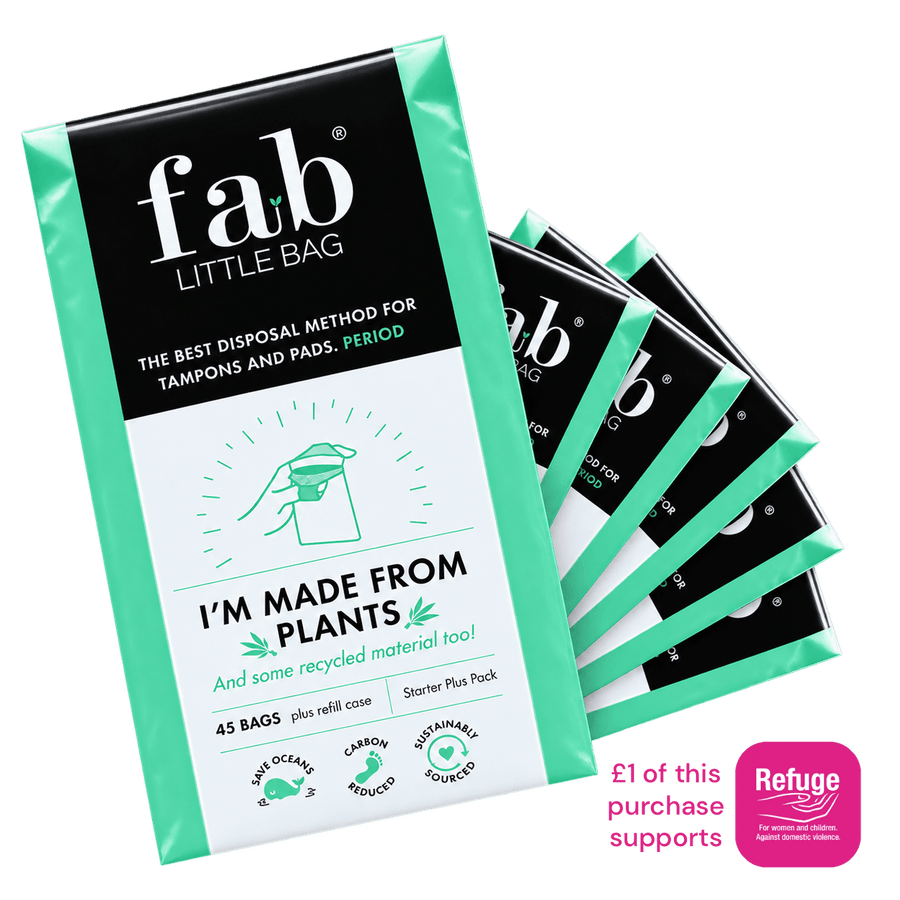
From our shop
The Fab 125 (+ carry case) · £22.00
125 FabLittleBags across six packs, plus a carry case for your bag. Each bag opens with one hand, is opaque and seals shut, so frequent changes on heavy days are quick and discreet. Made mostly from plants.
Plan for nights. Night-time pads or period underwear, a towel under the sheet if you tend to bleed through, and products and a disposal bag within reach of the bed.
Keep a backup kit with you. A spare product, a spare pair of underwear and a couple of disposal bags in your work bag or car take the worry out of the unexpected.

From our shop
On-the-Go Period Bag · £12.00
Seven FabLittleBags with a carry case, plus an emergency organic cotton tampon and pad from TOTM. Everything you need for a heavy day out, in one place.
Go easy on yourself with energy. If you are low on iron, your body has less oxygen to work with. Gentle movement often helps with cramps, and our guide to exercising on your period covers how to adapt training through your cycle. On the heaviest days, scaling back is sensible, not lazy.
When to get help, and how quickly
Ask for an urgent GP appointment or call NHS 111 if:
- Your period pain is severe or getting worse, even with painkillers
See a GP if:
- You think you might have iron deficiency anaemia, for example you are tired all the time, breathless, noticing your heartbeat or paler than usual
- Heavy periods are affecting your life, or you have had them for some time
- You are passing clots larger than about 2.5cm, or bleeding through to clothes or bedding
- You are bleeding between periods, after sex or after the menopause
- Your periods have become heavier, more painful or more irregular than usual
- You have pain during sex, or when peeing or pooing
None of these are reasons to panic. All of them are reasons to book, and a GP will not think you are wasting their time.
Your heavy periods and energy checklist
☐ I have checked my periods against the NHS signs of heavy periods
☐ I have kept a simple diary of my last two or three periods
☐ I have noted how tired I have been, and whether rest helps
☐ I have booked a GP appointment and will mention the tiredness and the heavy periods together
☐ I know to ask about the blood test results, and about what is causing the heavy bleeding
☐ I am including iron-rich foods in my meals most days
☐ I am having tea and coffee between meals rather than with them
☐ I have talked to a GP or pharmacist before starting any iron supplement
☐ I have enough products and disposal bags at home and with me for the heaviest days
☐ I know which symptoms mean an urgent appointment or a call to NHS 111
Frequently asked questions
Can heavy periods cause anaemia?
Yes. The NHS lists heavy periods and pregnancy as very common causes of iron deficiency anaemia. When you bleed heavily every month, you lose iron faster than your body can replace it, and over time your body cannot make enough healthy red blood cells. The most common symptom is tiredness and a lack of energy. If your periods are heavy and you feel tired most of the time, ask your GP whether your iron should be checked.
What are the symptoms of iron deficiency anaemia?
The NHS lists the common symptoms as tiredness and a lack of energy, shortness of breath, noticeable heartbeats or palpitations, paler skin than usual, and headaches. Less common symptoms include ringing in the ears, changes in taste, hair loss, restless legs and changes to the nails. Many people put these down to being busy or run down. If they last and do not improve with rest, especially alongside heavy periods, see a GP.
How do I know if my periods are heavy enough to see a GP?
The NHS says you may have heavy periods if you need to change your pad or tampon every 1 to 2 hours, use two types of product together, have periods lasting more than 7 days, pass clots larger than about 2.5cm, bleed through to your clothes or bedding, avoid daily activities because of your periods, or feel tired or short of breath a lot. See a GP if heavy periods are affecting your life or you have had them for some time.
What blood test checks for iron deficiency?
According to the NHS, iron deficiency anaemia is diagnosed with a blood test called a full blood count, which checks whether your red blood cells are at normal levels. If you have heavy periods, your GP may also suggest blood tests to look for underlying conditions. When your results come back, it is reasonable to ask your GP what was checked and what the results showed, so you understand what happens next.
Should I take iron supplements if I have heavy periods?
Talk to a GP or pharmacist before you start. The NHS says most people can get the iron they need from a varied and balanced diet, and that high doses of iron can cause side effects including constipation, feeling sick and stomach pain. A blood test shows whether you need extra iron and how much. If heavy periods are causing the problem, the bleeding needs looking at as well, because a supplement alone does not treat the cause.
Which foods are high in iron?
The NHS lists red meat, liver (which should be avoided in pregnancy), beans and pulses such as kidney beans, edamame and chickpeas, nuts, dried fruit such as apricots, fortified breakfast cereals and breads, and dark green leafy vegetables. Large amounts of tea, coffee and dairy can make iron harder to absorb, so try having them between meals. Vitamin C, for example a glass of orange juice, may help your body absorb iron.
Resources
- NHS: Iron deficiency anaemia for symptoms, causes, diagnosis and treatment
- NHS: Heavy periods for what counts as heavy, causes and treatment options
- NHS: Iron for how much you need and good food sources
- NHS: Period pain for when pain needs a GP or an urgent appointment
- Wellbeing of Women: What are heavy periods? for information and support from the women's health charity
FabLittleBag makes opaque, sealable disposal bags that open with one hand, made mostly from plants, so even the heaviest days are a little easier to manage wherever you are.